
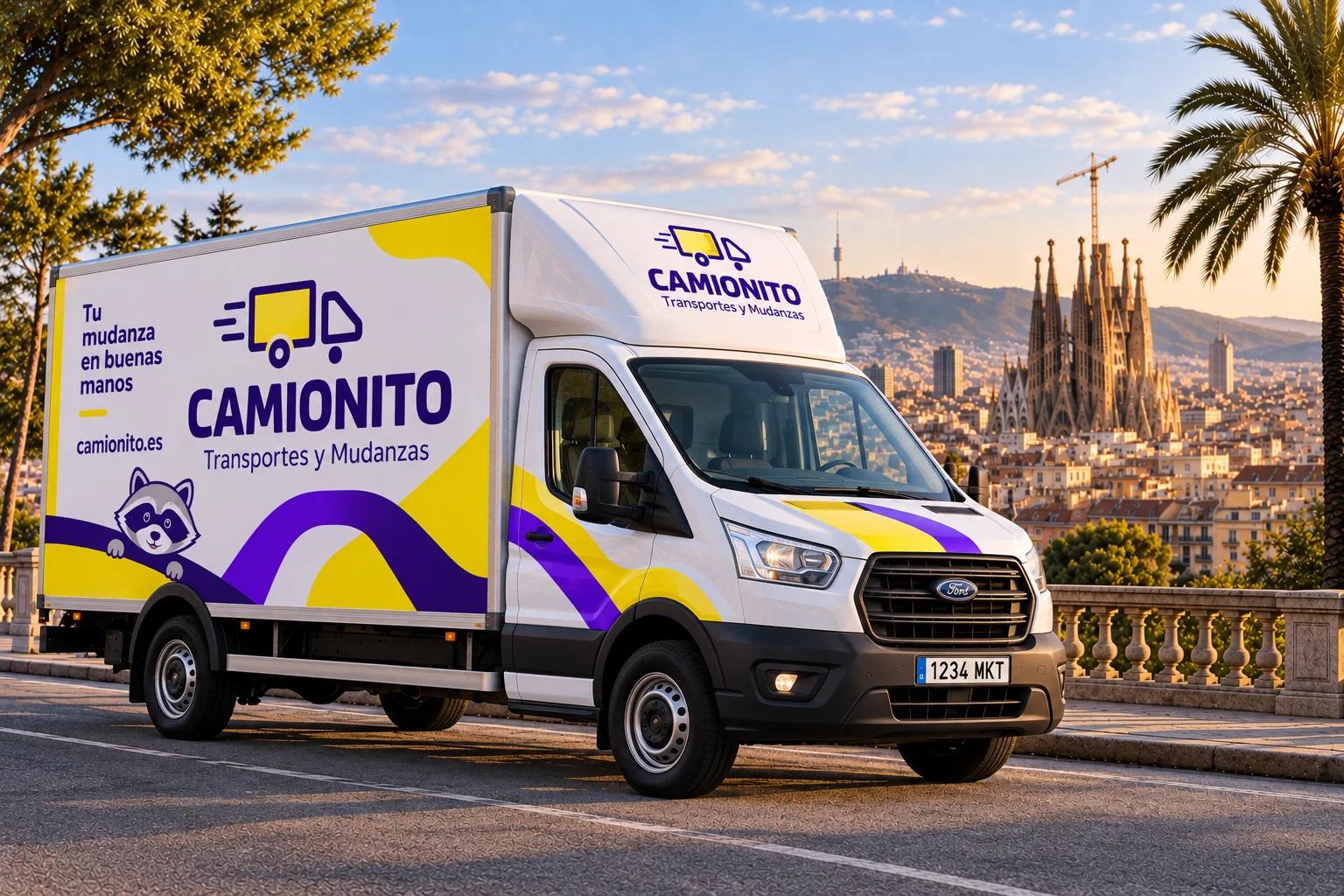
Packing for a move is not about wrapping everything the same way. The important decision is to separate what you can prepare yourself from what is better left to professionals because of fragility, weight, size or difficult access.
Making that decision before you start means fewer unnecessary boxes, less improvisation on moving day and a service that better matches what you actually need.
Before you start: inventory, access and materials
Before buying boxes, take a few minutes to decide what is really moving with you.
- Sort items by room and priority.
- Set aside what you will donate, recycle or discard.
- Mark fragile, heavy or particularly valuable items.
- Check the lift, stairs, turns, entrance and loading area.
- Keep one box or bag aside for your first night.
For most homes, a combination of sturdy boxes in several sizes, packing tape, paper, bubble wrap, stretch film, moving blankets, labels and markers is enough.
A useful rule is simple: dense items go in smaller boxes; light bulky items go in larger ones. That keeps boxes manageable.
What you can pack yourself
Clothes and textiles
Clothes, bedding, blankets and cushions are among the easiest things to prepare yourself.
- Use suitcases for folded clothes and shoes.
- Use strong bags for duvets and bulky textiles.
- Keep a complete change of clothes aside for the first day.
- Do not pack clean textiles together with cleaning products or liquids.
Books, documents and small items
Books and paperwork can be packed without professional help, but weight needs to be distributed carefully.
- Use smaller boxes.
- Do not fill a box until it becomes difficult to lift.
- Keep personal documents, keys and irreplaceable items with you.
- Label the destination room and contents.
Durable kitchenware and small appliances
Pots, cutlery, plastic containers and small appliances are usually straightforward to prepare.
- Empty and clean appliances before packing them.
- Protect corners and moving parts.
- Do not mix heavy items with delicate glass or ceramics.
- Fill empty spaces so items cannot shift inside the box.
Simple decorative items
Less delicate decorative pieces can go into standard boxes as long as they are separated and cannot move around.
For mirrors, framed glass, fragile lamps or valuable objects, use a different standard and treat them as special items.
What is better left to professionals
Glass, mirrors, artwork and fragile pieces
The risk is not limited to what happens inside a box. Damage can occur while turning a piece through a doorway, carrying it downstairs, loading it into the vehicle or setting it down during unloading.
A professional team can better judge how much protection each item needs and how it should be positioned during transport.
Large furniture and disassembly
Wardrobes, beds, large tables, sofas and modular furniture may need to be dismantled before moving.
Before taking anything apart:
- take a quick photo of the assembled piece;
- keep screws and fittings in labelled bags;
- protect edges and surfaces;
- decide which pieces genuinely need disassembly.
If furniture can be moved safely in one piece, dismantling it by default only creates extra work and another opportunity to lose hardware.
TVs and electronic equipment
If you still have the original packaging, use it. Otherwise protect screens, corners and connectors separately.
For work equipment and computers:
- make a backup;
- label cables and accessories;
- do not allow screens or equipment to travel loose;
- separate anything that needs to be installed first at the destination.
Items with difficult access
An item can be easy to wrap and still be difficult to move. Wide sofas, large mattresses, display cabinets or long pieces of furniture may not fit through the lift, stairs or entrance.
In these cases it may be better to consider a moving lift or additional loading support rather than forcing a risky manoeuvre.
How to prepare boxes properly
Even a strong box can fail if it is badly closed or the contents are loose.
- Reinforce the base with tape.
- Avoid large empty spaces inside.
- Separate items that can rub against each other.
- Do not pack poorly sealed liquids.
- Label at least two sides.
- Write the destination room.
- Mark fragile contents clearly.
A useful label says more than just “living room”. For example: “living room · books · heavy” or “kitchen · glasses · fragile”.
Protect furniture before it starts moving
Do not wait until a piece of furniture is already at the entrance before protecting it.
Moving blankets absorb knocks; stretch film helps keep protection in place and can secure doors or drawers. They do different jobs and are often used together.
Avoid sticking tape directly onto varnished wood, lacquered finishes, upholstery or other delicate surfaces.
Plan moving day around the loading order
Packing works better when it is coordinated with the sequence of loading.
- Keep corridors and access routes clear.
- Group boxes by room.
- Keep the first-night box separate.
- Load heavy stable items before fragile pieces.
- Think about what will need to come off the vehicle first.
If you only need a vehicle and transport, see our transport services in Barcelona. For a more complete solution, explore moving services in Barcelona and our additional services.
Access, parking and the building in Barcelona
In Barcelona and the surrounding area, moving time depends heavily on access.
Before moving day, check:
- where the vehicle can stop;
- whether the entrance and lift can handle the items;
- whether the building has schedules or internal rules;
- whether you need to check any arrangement for using the outside loading space;
- whether there is a safe alternative when an item does not fit through the normal route.
A short distance between addresses does not automatically mean an easy move. The most difficult part is often between the vehicle and the home.
When professional packing is worth it
You do not need to outsource everything. Professional packing makes the most sense when it removes a clear risk or saves you from the difficult part of the job.
It can be especially useful when you have:
- a lot of glass or fragile items;
- furniture that needs disassembly;
- difficult access;
- very little time to prepare;
- professional equipment or sensitive materials;
- several people coordinating the same move.
A mixed approach also works well: you pack clothes, books and simple items, while the team handles furniture, specialist protection, loading and transport.
A better move starts before the vehicle is loaded
Good preparation is not about packing more. It is about making a better decision about what you should pack yourself and what you should delegate.
If you already know the approximate volume, access conditions and the most difficult pieces, we can help organise the right service. Explore our moving services, transport, moving lift and additional services to prepare the move without last-minute improvisation.